Online vs. In-Person Learning: 2026 Outcomes Analysis
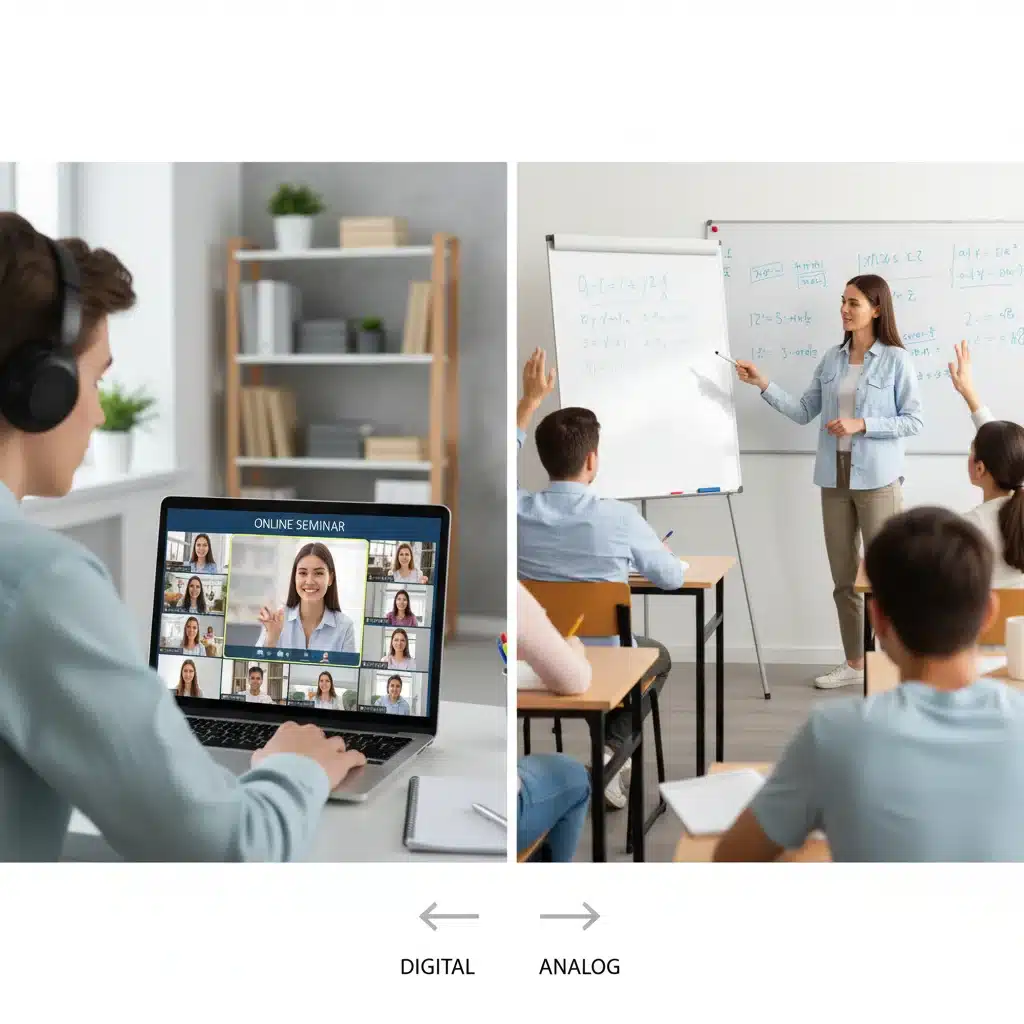
The landscape of education has undergone a seismic shift, particularly in the wake of global events that accelerated the adoption of digital technologies. As we stand in 2026, the debate surrounding the efficacy of online versus in-person learning is more nuanced and data-driven than ever. This comprehensive analysis dives deep into the outcomes observed across various educational levels, examining everything from academic performance and student engagement to long-term skill development and societal impacts. Our goal is to provide a clear, evidence-based understanding of the strengths and weaknesses inherent in both pedagogical approaches, offering valuable insights for educators, policymakers, students, and parents alike.
The fundamental question at the heart of this discussion isn’t whether one mode is inherently ‘better’ than the other, but rather under what conditions and for which learners each approach yields optimal results. The past few years have provided an unprecedented opportunity to gather extensive data, allowing researchers to move beyond anecdotal evidence and conduct rigorous comparative studies. This article synthesizes these findings, presenting a 2026 perspective on the enduring impact of the choices we’ve made in educational delivery.
The Evolving Landscape of Education: A Historical Context
To truly appreciate the current state of online in-person learning outcomes, it’s crucial to understand the journey that brought us here. Before the 2020s, online education was often seen as a niche alternative, primarily catering to adult learners, those in remote areas, or individuals seeking highly specialized courses. While technological advancements were steadily improving the quality and accessibility of virtual platforms, the predominant model remained the traditional brick-and-mortar classroom.
The global pandemic, however, served as an involuntary, large-scale experiment, forcing educational institutions worldwide to pivot rapidly to remote instruction. This sudden shift exposed both the immense potential and significant challenges of online learning. Infrastructure gaps, digital divides, teacher preparedness, and student engagement issues became front-page news. Yet, it also spurred unprecedented innovation in educational technology and pedagogical practices tailored for virtual environments.
By 2026, many of the initial hurdles have been addressed, at least partially. Governments and private entities have invested heavily in digital infrastructure, and educators have undergone extensive training in virtual teaching methodologies. Students, too, have become more accustomed to navigating digital learning spaces. This period of rapid evolution has allowed for a clearer differentiation between emergency remote teaching and thoughtfully designed online learning experiences, setting the stage for a more accurate comparison of online in-person learning efficacy.
The term ‘blended learning’ has also gained significant traction, representing a hybrid approach that combines elements of both online and face-to-face instruction. This model, often seen as a best-of-both-worlds solution, has further complicated the simple dichotomy of online vs. in-person, requiring a more granular examination of specific learning contexts and objectives.
Academic Performance: Dissecting the Data in 2026
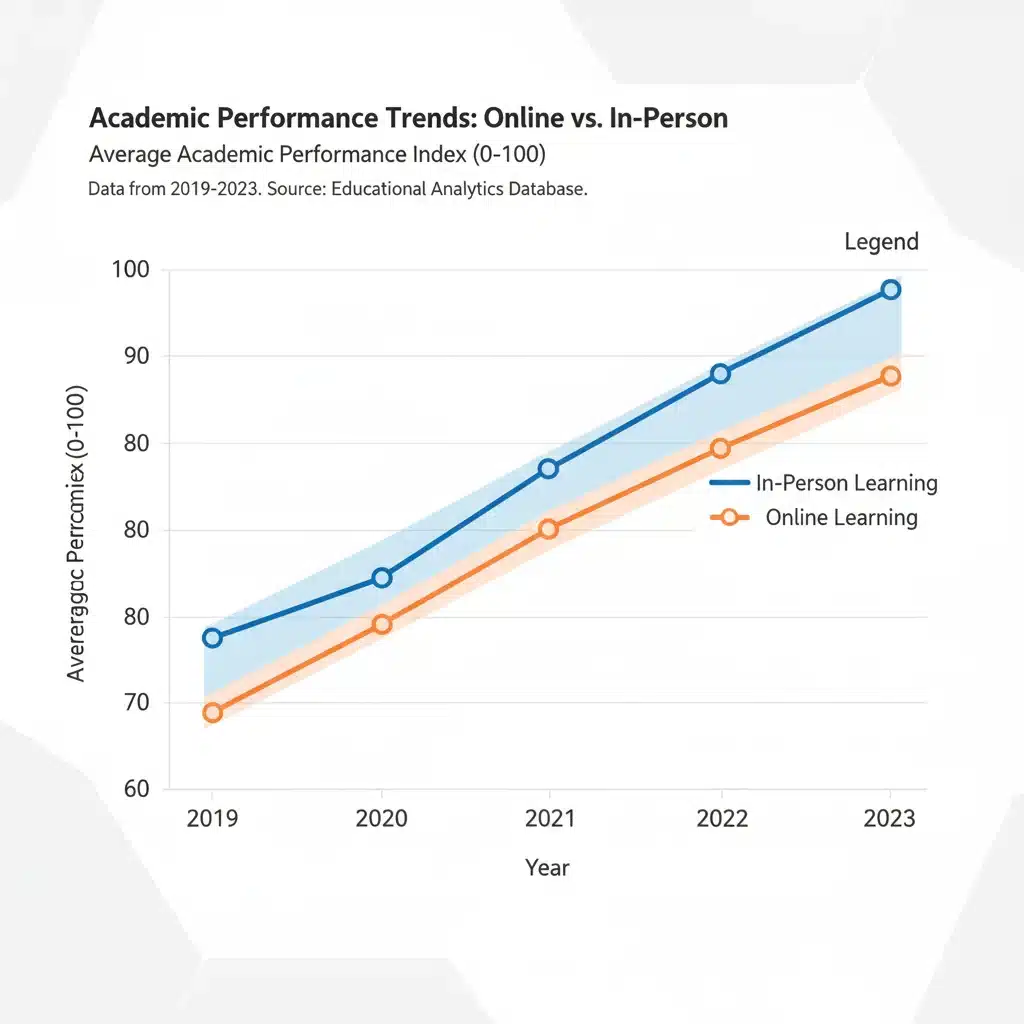
One of the most critical metrics in comparing online in-person learning is academic performance. Early studies often showed mixed results, sometimes favoring one mode over the other depending on the subject, student demographic, or study design. However, by 2026, with more refined data collection and analytical techniques, a clearer picture has emerged.
K-12 Education: In younger age groups, particularly elementary and middle school, in-person learning generally continues to demonstrate superior outcomes in foundational subjects like reading, writing, and mathematics. The structured environment, immediate feedback from teachers, and peer interaction inherent in a physical classroom are often crucial for developing basic cognitive and social skills. While online tools can supplement learning, fully remote K-12 settings frequently face challenges in maintaining student focus, ensuring equitable access to resources, and addressing socio-emotional development needs.
However, for specific K-12 applications, such as advanced placement courses or specialized subjects not offered locally, online learning has proven highly effective. High school students, particularly those with strong self-regulation skills, often thrive in flexible online environments, demonstrating comparable or even superior performance in certain subjects.
Higher Education: At the university level, the picture is more complex. For many disciplines, particularly those heavy in theoretical content or requiring extensive reading and independent study, well-designed online courses can yield academic results on par with, or in some cases, even surpass their in-person counterparts. This is especially true when online platforms leverage interactive multimedia, robust discussion forums, and personalized learning paths.
Conversely, disciplines that heavily rely on hands-on laboratory work, clinical experience, or highly collaborative project-based learning often see a performance advantage in in-person settings. While virtual labs and simulations have advanced significantly, they may not fully replicate the tactile and experiential learning critical for certain fields like engineering, medicine, or the arts. The quality of online in-person learning instruction plays a pivotal role here; a well-structured online course with dedicated instructors can outperform a poorly managed in-person class, and vice-versa.
Factors Influencing Academic Outcomes
- Student Self-Regulation and Motivation: Students with high levels of self-discipline, time management skills, and intrinsic motivation tend to perform better in online environments. In-person settings can provide external structures that compensate for lower levels of these traits.
- Instructor Preparedness and Quality: The effectiveness of both modes is heavily dependent on the instructor’s ability to design and deliver engaging content. Online instructors require specific skills in virtual pedagogy, while in-person instructors must leverage the physical classroom’s unique advantages.
- Course Design and Technology: A thoughtfully designed online course utilizing appropriate technologies can greatly enhance learning. Similarly, an engaging in-person course uses classroom dynamics and resources effectively.
- Subject Matter: As noted, some subjects are inherently more amenable to one mode of delivery than another.
- Access to Resources and Support: Equitable access to reliable internet, devices, and technical support is paramount for online learning success. In-person students benefit from on-campus resources like libraries, labs, and tutoring centers.
Student Engagement and Interaction: Beyond the Classroom Walls
Academic performance is just one piece of the puzzle. Student engagement and interaction are equally crucial for holistic development and long-term learning. The dynamics of engagement differ significantly between online in-person learning environments.
In-person classrooms inherently foster immediate, spontaneous interactions. Students can easily ask questions, participate in group discussions, and receive non-verbal cues from instructors and peers. This direct human connection can enhance motivation, build a sense of community, and facilitate collaborative learning. Extracurricular activities and social events on campus also play a significant role in student engagement and overall well-being, which indirectly impacts academic success.
Online learning, while lacking the physical proximity, has made great strides in creating engaging virtual environments. Advanced learning management systems (LMS) offer robust discussion forums, collaborative document editing, virtual breakout rooms, and interactive simulations. Video conferencing tools with features like polls, Q&A sessions, and reactions allow for real-time engagement. Many online courses now incorporate peer reviews, group projects using shared digital workspaces, and regular one-on-one virtual office hours with instructors.
Challenges and Innovations in Online Engagement
One persistent challenge in online learning is maintaining consistent student engagement and preventing feelings of isolation. Innovations in 2026 address this through:
- Personalized Feedback Loops: AI-powered tools provide instant feedback on assignments, helping students understand their progress and areas for improvement without waiting for instructor grading.
- Gamification: Incorporating game-like elements such as points, badges, leaderboards, and challenges to make learning more interactive and motivating.
- Virtual Reality (VR) and Augmented Reality (AR): These technologies are increasingly used to create immersive learning experiences, from virtual field trips to anatomical dissections, significantly boosting engagement in subjects that traditionally require hands-on interaction.
- Structured Social Activities: Online platforms are now facilitating virtual study groups, social clubs, and even mentorship programs to foster a sense of community among remote learners.
- Proactive Instructor Outreach: Effective online instructors regularly check in with students, monitor participation, and offer support, mirroring the pastoral care often found in physical classrooms.
While in-person learning often has an advantage in spontaneous social interaction, online learning, particularly in 2026, offers unparalleled flexibility and access. For introverted students or those with social anxieties, the asynchronous nature of some online interactions can even be empowering, allowing for more thoughtful contributions.
Skill Development: Beyond Rote Memorization
Modern education emphasizes not just the acquisition of knowledge but also the development of critical 21st-century skills. These include critical thinking, problem-solving, collaboration, communication, digital literacy, and adaptability. Both online in-person learning environments contribute to these skills, albeit through different mechanisms.
In-person learning naturally fosters communication and collaboration through group projects, debates, and classroom discussions. The ability to read non-verbal cues and navigate complex social dynamics is honed in a physical setting. Problem-solving often occurs in real-time, with immediate instructor guidance.
Online learning, by its very nature, is a powerful incubator for digital literacy and adaptability. Students become adept at using various software, online research tools, and communication platforms. The need for independent learning and self-management in an online environment directly cultivates self-discipline and critical thinking. Collaborative online projects require students to develop strong written communication skills and learn to coordinate effectively across distances, often asynchronously.
Specific Skills Enhanced by Each Mode:
-
In-Person Learning Strengths:
- Non-verbal communication and social cues
- Spontaneous brainstorming and collaborative problem-solving
- Public speaking and presentation skills in a live audience setting
- Networking and relationship building through physical presence
-
Online Learning Strengths:
- Digital literacy and technical proficiency
- Independent learning and self-motivation
- Written communication and asynchronous collaboration
- Time management and organizational skills
- Adaptability to new technologies and learning environments
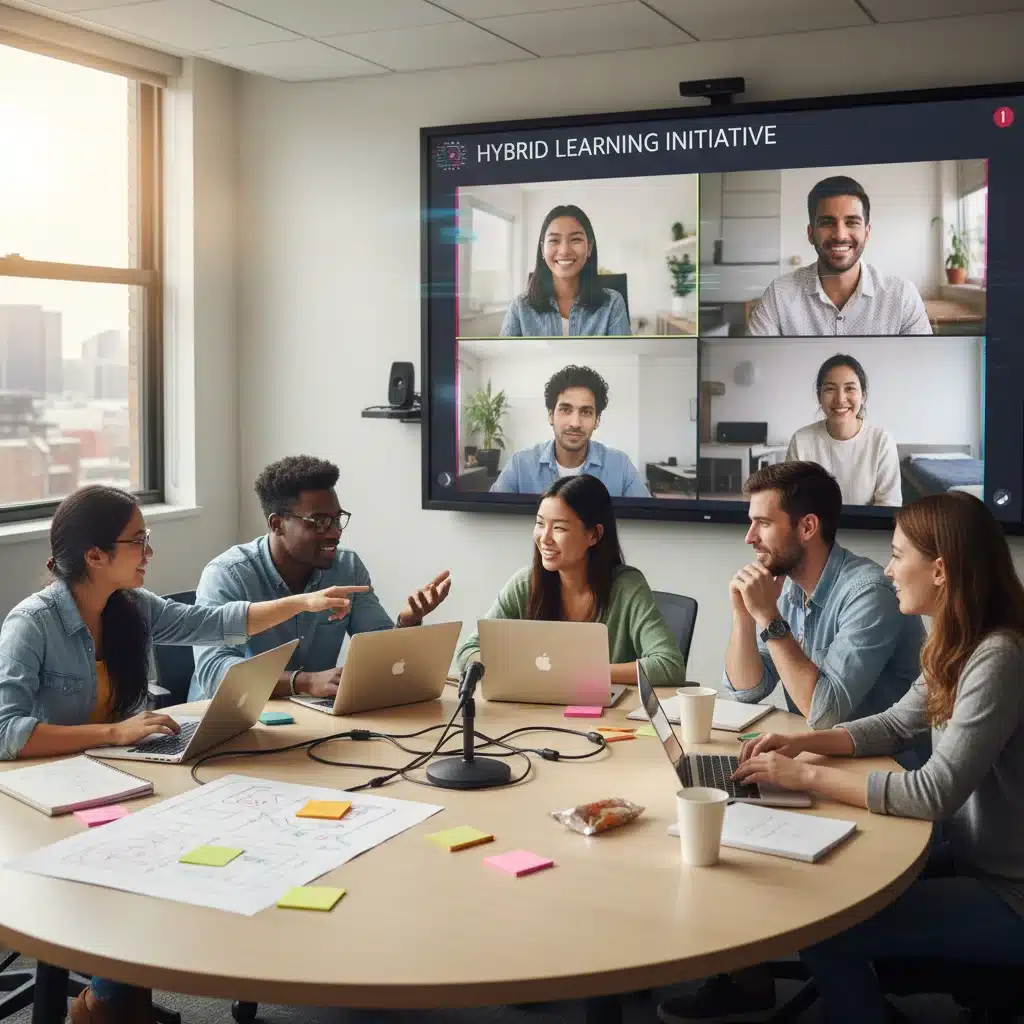
The ideal scenario, increasingly observed in 2026, is a blended approach that strategically leverages the strengths of both modes to develop a comprehensive skill set. For instance, a blended course might use online modules for content delivery and digital skill-building, while in-person sessions are dedicated to hands-on projects, debates, and direct mentorship.
Equity and Accessibility: Bridging the Divide
The discussion of online in-person learning would be incomplete without addressing issues of equity and accessibility. Initially, the rapid shift to online learning exacerbated existing inequalities, highlighting the ‘digital divide’ where students lacked reliable internet, devices, or suitable home learning environments.
By 2026, significant efforts have been made to mitigate these issues. Governments and educational institutions have invested in providing devices, subsidized internet access, and community learning hubs. However, disparities still exist, particularly in rural areas or economically disadvantaged communities. For these students, in-person learning often remains the most equitable option, providing not just education but also essential services like meals, counseling, and a safe learning space.
Conversely, online learning has dramatically increased accessibility for other populations. Individuals with physical disabilities or chronic health conditions can participate in education without the barriers of physical campuses. Students with demanding work schedules, family responsibilities, or those in remote geographic locations can pursue educational goals that were previously unattainable. Online education also offers greater flexibility for neurodivergent learners who may thrive in environments they can control and customize.
Addressing Accessibility in Both Models:
- Online: Focus on universal design for learning (UDL) principles, providing multiple means of representation, engagement, and expression. This includes captioning, alternative text for images, screen reader compatibility, and flexible assignment options.
- In-Person: Ensuring physical accessibility of campuses, providing accommodations for diverse learning needs, and fostering inclusive classroom environments.
The key is to recognize that different students have different needs and circumstances. A truly equitable educational system in 2026 offers a diverse range of high-quality options, allowing students to choose the mode (or blend of modes) that best suits their individual requirements and optimizes their learning potential. The goal is to ensure that neither online in-person learning is a barrier to success.
The Future of Learning: Hybrid Models and Personalized Education
Looking ahead, the rigid distinction between online and in-person learning is increasingly blurring. The most promising models for the future are likely to be hybrid or blended approaches that strategically integrate the best elements of both. This allows for personalized learning paths, where students can engage with content in a way that maximizes their understanding and skill development.
Imagine a university course where foundational lectures and readings are delivered online, allowing students to learn at their own pace and revisit complex topics as needed. In-person sessions are then dedicated to interactive problem-solving, deep discussions, laboratory experiments, or collaborative projects that benefit most from face-to-face interaction. This ‘flipped classroom’ model, enhanced by 2026 technology, optimizes both modes.
For K-12, hybrid models might involve online modules for specific subjects or enrichment activities, freeing up in-person classroom time for individualized attention, social-emotional learning, and project-based work. The flexibility offered by these models is not just about convenience; it’s about creating more adaptive and responsive educational environments.
Key Trends Shaping the Future:
- AI-Powered Adaptive Learning: Artificial intelligence will continue to personalize learning experiences, identifying student strengths and weaknesses and tailoring content and pace accordingly, regardless of the delivery mode.
- Micro-credentials and Modular Learning: The rise of shorter, stackable learning modules and micro-credentials will allow individuals to acquire specific skills on demand, often through online platforms, complementing traditional degrees.
- Global Classrooms: Online platforms will increasingly connect students and educators from around the world, fostering cross-cultural understanding and diverse perspectives in both fully online and blended formats.
- Emphasis on Soft Skills: While academic knowledge remains crucial, the focus on developing critical thinking, creativity, collaboration, and communication will intensify, with both online and in-person pedagogies evolving to support these.
- Lifelong Learning Ecosystems: Education will move beyond traditional age-based schooling, becoming a continuous process supported by integrated online and in-person resources throughout an individual’s life and career.
The 2026 analysis of online in-person learning outcomes suggests that the future of education is not about choosing one over the other, but rather about intelligently integrating them. It’s about creating dynamic, flexible, and student-centered learning ecosystems that leverage technology to enhance human connection and facilitate deep, meaningful learning experiences for all.
Conclusion: A Balanced Perspective for 2026 and Beyond
The comprehensive 2026 analysis of online in-person learning outcomes reveals a complex and evolving educational landscape. There is no universal answer to which mode is definitively ‘better’; rather, their effectiveness is highly dependent on a multitude of factors including student characteristics, subject matter, instructor expertise, technological infrastructure, and desired learning objectives.
In-person learning continues to offer unique advantages in fostering immediate social interaction, developing spontaneous communication skills, and providing structured environments beneficial for younger learners and those requiring high levels of direct supervision or hands-on experience. It remains a cornerstone for building community and offering holistic support systems.
Online learning, having matured significantly since its forced adoption, now offers unparalleled flexibility, accessibility, and opportunities for personalized learning. It excels in cultivating digital literacy, self-discipline, and providing access to diverse educational resources globally. For many adult learners and self-motivated students, it offers an optimal pathway to academic and professional growth.
The most effective educational strategies in 2026 are those that embrace a thoughtful integration of both. Blended and hybrid models are emerging as powerful solutions, allowing educators to strategically deploy online tools for content delivery and independent study, while reserving valuable in-person time for collaborative projects, experiential learning, and deep interpersonal engagement. This approach not only optimizes academic performance but also fosters the development of a broader range of essential skills.
As we move forward, continuous research, investment in educational technology, and professional development for educators will be crucial. The goal is to move beyond viewing online and in-person as competing paradigms and instead recognize them as complementary components of a robust, equitable, and future-ready educational system. The ongoing dialogue around online in-person learning will continue to refine our understanding, ensuring that every learner has the opportunity to thrive in an increasingly diverse and dynamic world.