2026 Energy Market: Oil Price Hike & Household Budget Impact
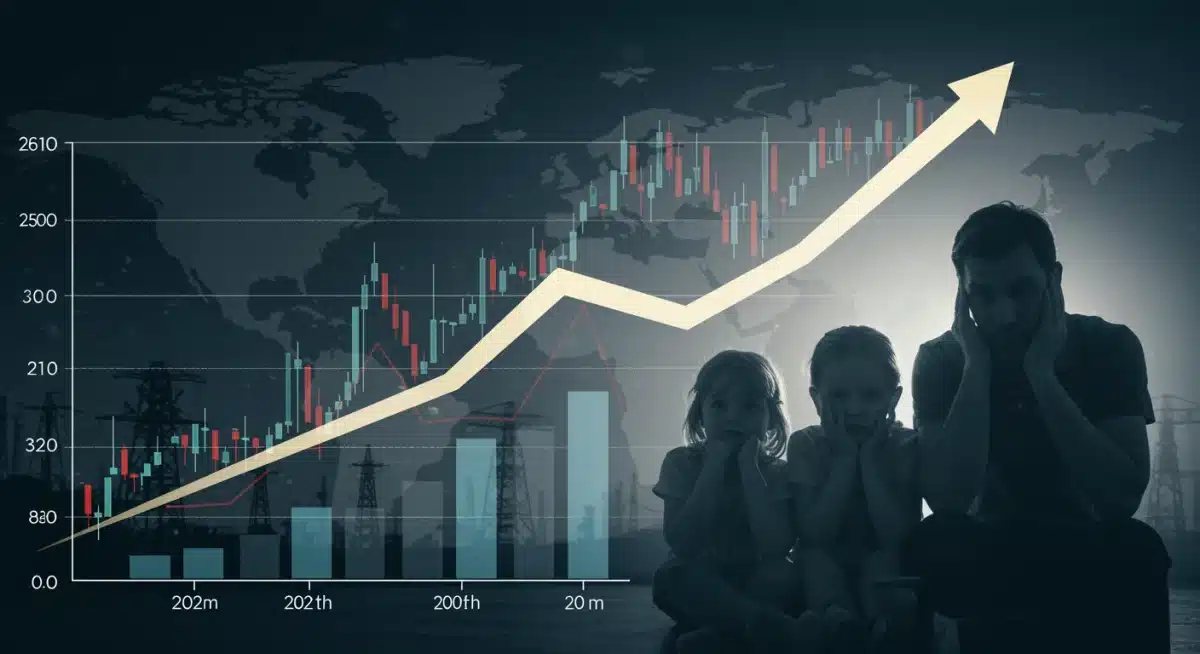
The 2026 Energy Market: How Rising Oil Prices (Projected 8% Increase) Will Impact Your Household Budget
The global energy landscape is constantly shifting, influenced by geopolitical events, supply-demand dynamics, technological advancements, and environmental policies. As we look towards 2026, forecasters are signaling a significant development: a projected 8% increase in oil prices. This isn’t just a number for economists and industry analysts; it’s a critical indicator that will ripple through every aspect of our lives, directly impacting household budgets, inflationary pressures, and the broader economic stability of nations. Understanding the underlying causes, potential consequences, and proactive strategies to mitigate this impact is paramount for consumers, businesses, and policymakers alike. The anticipation of this 2026 Energy Impact demands careful consideration and strategic planning.
Understanding the Projected 8% Increase in Oil Prices
Before we delve into the implications, it’s crucial to understand why such an increase is projected for 2026. Several factors are converging to create this upward pressure on oil prices, contributing to the significant 2026 Energy Impact.
Geopolitical Tensions and Supply Disruptions
Geopolitical instability remains a perennial driver of oil price volatility. Conflicts in oil-producing regions, sanctions against major exporters, and political unrest can disrupt supply chains, leading to reduced output and heightened market anxiety. The global oil supply is highly sensitive to these events, and even perceived threats can trigger price hikes. For 2026, specific regional tensions or broader geopolitical realignments could significantly constrain supply, pushing prices upward.
OPEC+ Policies and Production Levels
The Organization of the Petroleum Exporting Countries and its allies (OPEC+) play a pivotal role in managing global oil supply. Their decisions on production cuts or increases directly influence market prices. If OPEC+ maintains or implements further production cuts to support prices, or if internal disagreements lead to supply constraints, the projected 8% increase could easily materialize. Their collective strategy is a major determinant of the overall 2026 Energy Impact.
Global Economic Recovery and Demand Growth
As the global economy continues its post-pandemic recovery, demand for energy, particularly oil, is expected to grow. Industrial activity, transportation, and consumer spending all contribute to this demand. While the pace of recovery varies by region, a synchronized global economic upswing could significantly boost oil consumption. If supply struggles to keep pace with this increased demand, an 8% price increase becomes a highly plausible scenario. This demand-side pressure is a key component of the anticipated 2026 Energy Impact.
Underinvestment in New Oil and Gas Exploration
In recent years, there has been a noticeable trend of underinvestment in new oil and gas exploration and production projects. This is partly due to the global push towards renewable energy, investor pressure for ESG (Environmental, Social, and Governance) compliance, and a cautious approach from energy companies following periods of price volatility. While beneficial for long-term sustainability, this underinvestment can lead to supply deficits in the medium term, as existing fields naturally decline. By 2026, the cumulative effect of this underinvestment could manifest as tighter supply and higher prices, exacerbating the 2026 Energy Impact.
Inflationary Pressures and Currency Devaluation
Broader macroeconomic trends, such as persistent inflation and currency devaluation in major economies, can also contribute to higher oil prices. Since oil is typically priced in U.S. dollars, a weaker dollar makes oil cheaper for countries holding other currencies, potentially increasing demand. Conversely, global inflationary pressures can push up the cost of production and transportation, which is then passed on to consumers. These macroeconomic factors are an often-overlooked contributor to the projected 2026 Energy Impact.
Direct Impact on Household Budgets
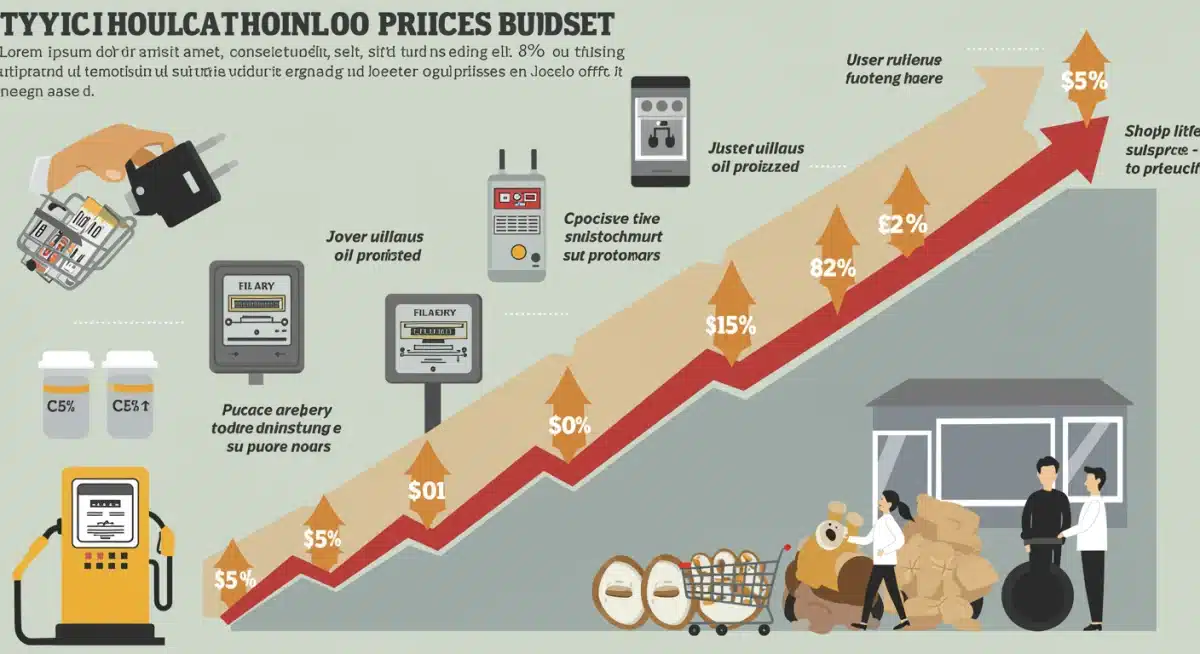
An 8% increase in oil prices will not merely be an abstract economic statistic; its effects will be felt tangibly in the wallets of households worldwide. The direct consequences on daily expenses are significant and warrant detailed examination when considering the 2026 Energy Impact.
Transportation Costs
The most immediate and obvious impact will be on transportation costs. Gasoline and diesel prices are directly tied to crude oil prices. An 8% increase in oil will translate into higher fuel costs for commuters, families taking road trips, and businesses relying on transportation for logistics. For many households, fuel is a non-negotiable expense, making them particularly vulnerable to price hikes. This will force many to reconsider their commuting habits, vehicle choices, and overall travel budgets, highlighting a major aspect of the 2026 Energy Impact.
Utility Bills
While often associated with electricity, many utility companies still rely on natural gas or fuel oil for power generation, especially during peak demand. Higher oil prices can indirectly increase the cost of producing electricity, leading to higher utility bills for households. Additionally, heating oil prices will directly rise, affecting homes that use oil for heating. This broader energy cost escalation significantly contributes to the overall 2026 Energy Impact on household finances.
Food Prices
The agricultural sector is heavily reliant on oil for machinery operation, transportation of produce, and the production of fertilizers and pesticides. Higher oil prices translate into increased production costs for farmers, which are then passed on to consumers in the form of higher food prices. From your morning coffee to your evening meal, the cost of almost every food item will likely see an upward adjustment. This hidden cost of oil is a substantial part of the 2026 Energy Impact.
Cost of Goods and Services
Nearly every manufactured good and service involves some form of energy consumption, from raw material extraction to production, packaging, and delivery. An increase in oil prices means higher operational costs for businesses across all sectors. These increased costs are inevitably passed on to consumers through higher prices for goods and services, leading to a general rise in the cost of living. This pervasive effect underscores the widespread nature of the 2026 Energy Impact.
Broader Economic Implications
Beyond individual household budgets, the projected 8% increase in oil prices will have significant macroeconomic ramifications, shaping national and global economic trends. The broader economic landscape will certainly feel the 2026 Energy Impact.
Inflationary Pressures
Higher oil prices are a major contributor to inflation. As discussed, increased costs for transportation, utilities, food, and manufactured goods will lead to a general rise in the price level across the economy. Central banks may respond by raising interest rates to curb inflation, which can slow economic growth and increase borrowing costs for consumers and businesses. This inflationary spiral is a critical aspect of the 2026 Energy Impact.
Reduced Consumer Spending and Economic Slowdown
When households spend more on essential items like fuel and food, they have less discretionary income for other goods and services. This reduction in consumer spending can dampen overall economic activity, potentially leading to slower economic growth or even a recession. Businesses may experience reduced demand, leading to lower profits, hiring freezes, or even layoffs. The ripple effect on economic growth is a serious consideration for the 2026 Energy Impact.
Impact on Industries
Certain industries are particularly vulnerable to rising oil prices. The airline industry, shipping and logistics companies, and manufacturing sectors with high energy consumption will face increased operational costs, potentially impacting their profitability and competitiveness. Small businesses, with less capacity to absorb higher costs, may struggle the most. Understanding these industry-specific vulnerabilities is key to grasping the full scope of the 2026 Energy Impact.
Trade Balances and Geopolitical Shifts
For oil-importing nations, higher prices mean a larger import bill, which can worsen trade deficits and put pressure on national currencies. Conversely, oil-exporting nations may see an increase in revenue, potentially strengthening their economies and geopolitical influence. These shifts in trade balances can alter global economic power dynamics and spark new geopolitical alignments, further amplifying the 2026 Energy Impact on a global scale.
Strategies to Mitigate the 2026 Energy Impact on Households
While the prospect of rising oil prices can be concerning, there are proactive steps households can take to prepare and mitigate the financial strain. Adapting to the projected 2026 Energy Impact requires both immediate adjustments and long-term planning.
Immediate Adjustments and Cost-Saving Measures
- Optimize Transportation: Consider carpooling, using public transportation, biking, or walking for shorter distances. Regular vehicle maintenance, proper tire inflation, and smooth driving habits can also improve fuel efficiency. Evaluating the necessity of every trip can yield significant savings.
- Energy Efficiency at Home: Implement energy-saving practices such as turning off lights, unplugging electronics, and adjusting thermostats. Insulating your home, sealing drafts, and upgrading to energy-efficient appliances can lead to substantial long-term savings on utility bills.
- Budgeting and Financial Planning: Review your household budget to identify areas where you can cut back. Create an emergency fund to absorb unexpected increases in essential costs. Consider setting aside a small amount each month specifically to offset potential future energy spikes.
- Smart Shopping: Be mindful of how higher transportation costs affect the price of goods. Buying locally produced items can sometimes reduce the ‘food miles’ and associated costs. Planning meals and reducing food waste can also help stretch your food budget further.
Long-Term Investments and Lifestyle Changes
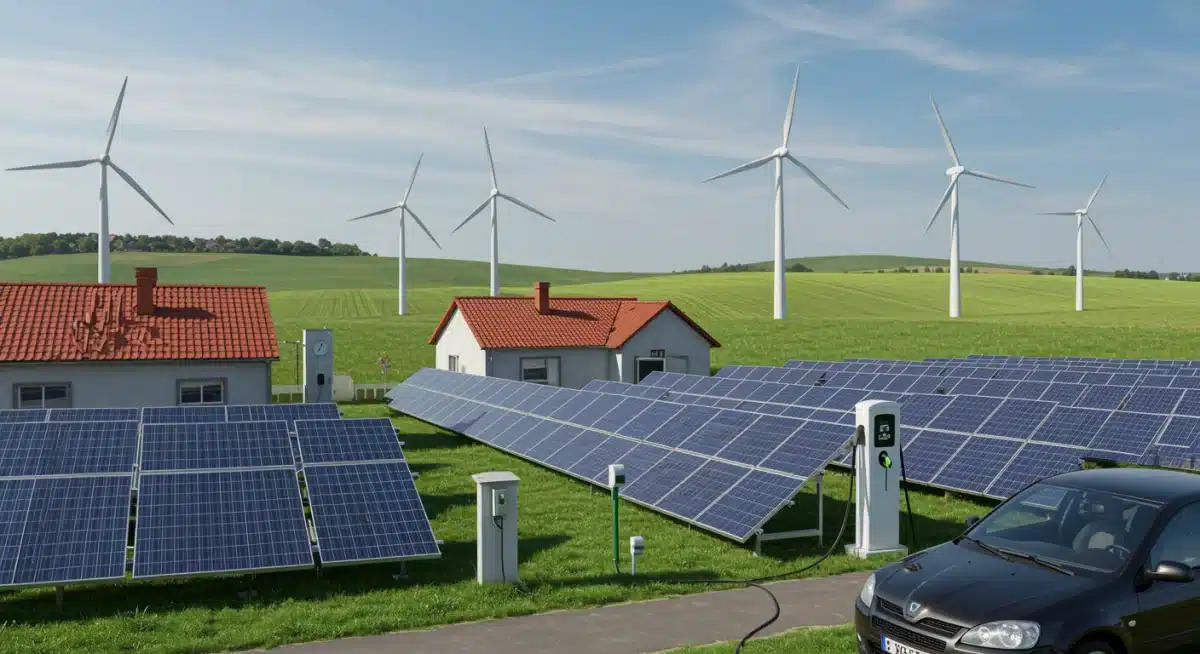
- Embrace Renewable Energy: Invest in solar panels for your home, if feasible. This can significantly reduce or even eliminate your electricity bill, providing a hedge against rising utility costs. Many governments offer incentives and tax credits for renewable energy installations. This is a powerful way to reduce your personal 2026 Energy Impact.
- Electric Vehicles (EVs): Consider transitioning to an electric or hybrid vehicle. While the initial investment may be higher, the long-term savings on fuel and maintenance can be substantial, especially with increasing oil prices. The infrastructure for EVs is also expanding rapidly.
- Home Energy Audits and Upgrades: A professional energy audit can identify areas where your home is losing energy. Investing in better insulation, energy-efficient windows, or a high-efficiency HVAC system can yield significant returns over time, making your home more resilient to energy price fluctuations.
- Remote Work and Flexible Schedules: If your job allows, explore remote work options or flexible schedules that reduce your commuting frequency. Even a few days less in the office can translate into significant fuel savings over a year.
- Community and Collective Action: Engage with local initiatives focused on energy conservation, community gardens, or car-sharing programs. Collective efforts can often achieve greater impact than individual actions alone.
The Role of Government and Policy in Addressing the 2026 Energy Impact
Governments and policymakers also have a crucial role to play in mitigating the negative effects of rising oil prices and fostering a more resilient energy future, especially in light of the projected 2026 Energy Impact.
Strategic Petroleum Reserves
Many nations maintain Strategic Petroleum Reserves (SPRs) to cushion the impact of sudden supply disruptions. Releasing oil from these reserves can temporarily increase supply and stabilize prices during crises. Effective management and strategic deployment of SPRs are vital tools.
Investment in Renewable Energy and Infrastructure
Accelerating investment in renewable energy sources like solar, wind, and hydropower is critical for long-term energy independence and price stability. This includes funding research and development, providing incentives for adoption, and upgrading grid infrastructure to handle a higher proportion of renewable energy. Such investments are fundamental to reducing future 2026 Energy Impact scenarios.
Energy Efficiency Programs and Regulations
Governments can promote energy efficiency through building codes, appliance standards, and public awareness campaigns. Offering rebates or tax credits for energy-efficient upgrades in homes and businesses can encourage widespread adoption of sustainable practices. These measures directly reduce overall energy demand, lessening the blow of the 2026 Energy Impact.
Public Transportation and Urban Planning
Investing in robust, affordable, and accessible public transportation networks can reduce reliance on private vehicles and, consequently, on gasoline. Urban planning that promotes walkability, bike lanes, and mixed-use developments can also decrease the need for long-distance commuting. These systemic changes are crucial for a sustainable response to the 2026 Energy Impact.
International Cooperation
Addressing global oil price volatility requires international cooperation. Dialogue between oil-producing and oil-consuming nations, coordinated efforts to stabilize markets, and diplomatic solutions to geopolitical conflicts can all contribute to a more predictable and stable energy environment.
Conclusion: Navigating the 2026 Energy Impact
The projected 8% increase in oil prices by 2026 is a significant economic forecast that demands attention from all stakeholders. For households, it signals a need for proactive financial planning, energy conservation, and consideration of long-term sustainable lifestyle changes. For governments and industries, it underscores the urgency of accelerating the transition to a diversified and resilient energy system. While the challenges posed by the 2026 Energy Impact are real, understanding them and implementing strategic responses can help mitigate the adverse effects and pave the way for a more stable and sustainable future.
By taking informed actions today, individuals and societies can better navigate the complexities of the evolving energy market, transforming potential vulnerabilities into opportunities for innovation and resilience. The future of our energy consumption and its economic repercussions are not set in stone; they are shaped by the choices we make now.
Stay informed, stay prepared, and explore the myriad ways you can contribute to a more energy-efficient and financially secure household in the face of the anticipated 2026 Energy Impact.