AI Regulation in US: What to Expect by Mid-2026
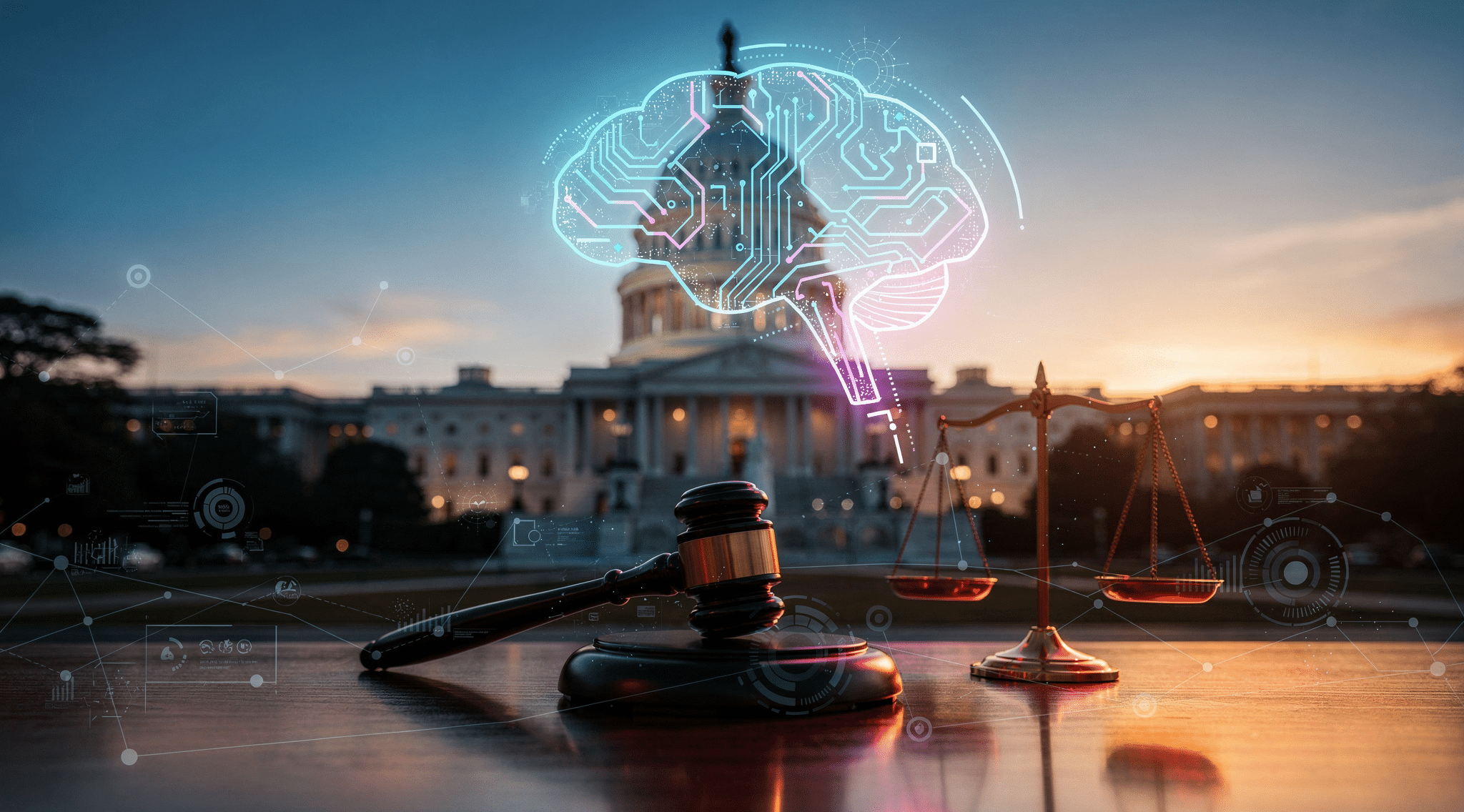
By mid-2026, the US is expected to implement significant AI regulatory frameworks addressing ethical concerns, data privacy, and accountability across various sectors, influencing both innovation and consumer trust.
The rapid advancement of artificial intelligence has propelled it to the forefront of national discourse, making a Special Report: The Rise of AI Regulation in the US – What to Expect by Mid-2026 an essential read. As AI integrates deeper into our daily lives, from healthcare to finance, the imperative for robust governance has never been clearer. This report delves into the anticipated legislative shifts and policy developments that will define the regulatory landscape for AI in the United States over the next two years, shaping how this transformative technology is developed and deployed.
The evolving landscape of AI governance in the US
The United States, a global leader in AI innovation, has been grappling with how to effectively regulate this nascent yet powerful technology. Unlike the European Union’s more comprehensive approach with the AI Act, the US has historically favored a sector-specific and risk-based strategy. However, by mid-2026, this fragmented approach is expected to consolidate, driven by increasing public concern, technological advancements, and international pressures. The goal is to foster innovation while mitigating potential harms, striking a delicate balance that supports economic growth and protects individual rights.
Key drivers for regulatory acceleration
Several factors are accelerating the push for more unified AI regulation. The rapid deployment of generative AI tools, the rising complexity of autonomous systems, and growing concerns over algorithmic bias and data privacy are forcing policymakers to act decisively. Furthermore, the geopolitical competition in AI development is prompting the US to solidify its regulatory stance, aiming to set global standards.
- Technological Maturity: AI systems are no longer theoretical; they are integral to critical infrastructure and services.
- Public Pressure: Awareness of AI’s societal impacts, both positive and negative, is growing among the general populace.
- International Harmonization: The need to align with global partners on AI governance is becoming increasingly apparent.
- Economic Implications: Ensuring fair competition and preventing monopolies in the AI sector is a significant concern.
The shift towards a more comprehensive regulatory framework is not merely a reactive measure but a strategic move to ensure the US remains competitive and secure in the global AI race. Expect to see a blend of new legislative proposals and strengthened enforcement of existing laws.
Anticipated legislative actions and policy frameworks
As the clock ticks towards mid-2026, several legislative initiatives are taking shape, indicating a more structured approach to AI regulation. While a single, overarching AI act similar to the EU’s is less likely, a series of targeted bills addressing specific aspects of AI are highly probable. These will likely focus on critical areas such as data privacy, algorithmic transparency, and accountability for AI-driven decisions.
Proposed federal legislation and executive orders
The Biden administration has already laid a foundation with executive orders aimed at promoting safe, secure, and trustworthy AI. These orders set guidelines for federal agencies and emphasize the need for robust testing and evaluation of AI systems. Congress, meanwhile, is exploring various legislative avenues.
- Data Privacy Legislation: A federal data privacy law, long overdue, could provide a crucial framework for how AI systems handle personal information.
- Algorithmic Accountability Act: This legislation would likely mandate impact assessments for high-risk AI systems and require disclosure of how algorithms make decisions.
- National AI Commission: The establishment of a dedicated body to oversee AI development and deployment, offering expert guidance and coordinating regulatory efforts.
These legislative efforts are designed to create a predictable environment for AI developers while safeguarding public interests. The emphasis will be on risk-based regulation, where the intensity of oversight corresponds to the potential harm posed by an AI application.
Ethical considerations and bias mitigation
One of the most pressing concerns in AI development is the potential for perpetuating and even amplifying societal biases. AI systems, trained on vast datasets, can inadvertently learn and embed existing prejudices, leading to discriminatory outcomes in areas like hiring, lending, and criminal justice. Addressing these ethical dilemmas is a cornerstone of the anticipated regulatory push by mid-2026.
Addressing algorithmic bias and fairness
Policymakers are increasingly recognizing the need for robust mechanisms to identify, measure, and mitigate algorithmic bias. This includes mandating transparency in data collection and model development, as well as requiring regular audits of AI systems for fairness and non-discrimination. The goal is not just to prevent harm but to promote equitable outcomes.
- Bias Detection Tools: Companies may be required to implement certified tools for detecting and correcting algorithmic bias.
- Fairness Metrics: Development and adoption of standardized metrics to evaluate the fairness of AI systems.
- Human Oversight: Requirements for human review in critical decision-making processes involving AI, especially in high-stakes applications.
The regulatory framework will likely include provisions that hold developers and deployers of AI accountable for biased outcomes, encouraging a proactive approach to ethical AI design. This focus on fairness and equity is crucial for building public trust in AI technologies.
Impact on key industries: healthcare, finance, and defense
The evolving AI regulatory landscape will have profound implications across various sectors. Industries that heavily rely on AI, or are poised to, will need to adapt their strategies and operations to comply with new standards. Healthcare, finance, and defense are particularly susceptible to these changes, given the sensitive nature of their data and the critical decisions made by AI systems within them.
Sector-specific regulations and compliance challenges
In healthcare, AI regulation will likely focus on data privacy (HIPAA compliance for AI), diagnostic accuracy, and patient safety. Financial services will see increased scrutiny on algorithmic trading, credit scoring, and fraud detection to ensure fairness and prevent systemic risks. The defense sector will face unique challenges regarding autonomous weapons systems and national security implications.

- Healthcare: Mandates for FDA approval of AI-powered diagnostic tools and strict data anonymization protocols.
- Finance: Enhanced oversight of AI models used for lending and investment, with an emphasis on explainability and bias checks.
- Defense: Development of ethical guidelines for military AI, focusing on human control and accountability in autonomous systems.
Companies within these industries will need to invest in robust compliance programs, including AI ethics committees and dedicated regulatory affairs teams. The cost of non-compliance, both financial and reputational, will likely be significant.
The role of international cooperation and global standards
AI’s inherently global nature means that domestic regulation alone is insufficient. By mid-2026, the US is expected to intensify its efforts in international cooperation, working with allies and global bodies to develop common standards and best practices for AI governance. This collaboration is vital for addressing cross-border challenges such as data flow, cybersecurity, and the responsible development of advanced AI.
Harmonizing with global AI initiatives
The US will likely continue to engage with organizations like the OECD, G7, and the UN on AI policy. The aim is to influence the development of global norms that align with American values of innovation, human rights, and democratic principles. This includes sharing expertise, coordinating research, and establishing multilateral agreements on AI ethics and safety.
- OECD AI Principles: Active participation in promoting and implementing these principles globally.
- G7/G20 AI Dialogues: Leveraging these platforms to foster international consensus on AI governance.
- Bilateral Agreements: Forging partnerships with key nations to address specific AI challenges and share regulatory insights.
The development of global AI standards is a complex undertaking, but essential for preventing regulatory fragmentation and ensuring a level playing field for innovation. The US will play a crucial role in shaping these international discussions, advocating for an open, secure, and trustworthy AI ecosystem.
Challenges and opportunities for AI innovation
While the prospect of increased regulation can sometimes be viewed as a hindrance to innovation, the evolving AI regulatory framework in the US also presents significant opportunities. Clear guidelines and predictable legal environments can foster greater trust, encourage responsible investment, and ultimately accelerate the development of beneficial AI technologies. However, navigating these new rules will not be without its challenges.
Balancing innovation with responsible development
The primary challenge lies in crafting regulations that are flexible enough to accommodate rapid technological change while being robust enough to address emerging risks. Overly prescriptive rules could stifle innovation, whereas insufficient oversight could lead to widespread harm. The opportunity, however, is to establish a framework that positions the US as a leader in ethical and responsible AI.
- Regulatory Sandbox Initiatives: Creating spaces for companies to test innovative AI solutions under relaxed regulatory conditions.
- Incentives for Responsible AI: Offering grants or tax breaks for companies developing AI that adheres to high ethical standards.
- Talent Development: Investing in education and training programs to build a workforce capable of navigating complex AI regulatory environments.
Companies that embrace responsible AI practices from the outset will likely gain a competitive advantage, attracting both talent and investment. The regulatory push, therefore, is not just about compliance, but about cultivating a sustainable and trustworthy AI ecosystem for the future.
| Key Aspect | Expected Development by Mid-2026 |
|---|---|
| Regulatory Approach | Shift towards more consolidated, risk-based frameworks, incorporating sector-specific rules. |
| Legislative Focus | Emphasis on data privacy, algorithmic transparency, and accountability laws. |
| Ethical AI | Mandates for bias detection, fairness metrics, and human oversight in high-risk AI. |
| International Role | Increased cooperation to establish global AI standards and best practices. |
Frequently Asked Questions About US AI Regulation
The push for AI regulation in the US is primarily driven by rapid technological advancements, growing public concerns over AI’s societal impacts, national security interests, and the need to address ethical issues like algorithmic bias and data privacy. International harmonization efforts also play a significant role.
While a single, overarching AI Act similar to the EU’s is less likely, the US is expected to implement a series of targeted legislative actions and policy frameworks. These will address specific aspects of AI, such as data privacy, algorithmic transparency, and sector-specific applications, creating a more consolidated approach.
Industries like healthcare, finance, and defense will experience significant impacts. Regulation will likely focus on data privacy, diagnostic accuracy, algorithmic fairness, and accountability for AI-driven decisions. Companies will need to develop robust compliance programs and adapt their AI strategies accordingly.
Ethical considerations, particularly algorithmic bias and fairness, will be central to new AI regulations. Expect mandates for bias detection tools, fairness metrics, and requirements for human oversight in high-risk AI systems to ensure equitable and non-discriminatory outcomes across various applications.
Beyond compliance, AI regulation offers opportunities to build greater public trust, encourage responsible innovation, and attract investment in ethical AI. Clear guidelines can foster a predictable environment, positioning the US as a leader in trustworthy AI development and promoting sustainable growth in the sector.
Conclusion
The journey towards comprehensive AI regulation in the US by mid-2026 is complex but essential. What we can anticipate is a multi-faceted approach, blending targeted legislation with executive actions, aimed at fostering innovation while robustly addressing ethical concerns, data privacy, and accountability. This evolving framework will not only shape the domestic landscape of AI development and deployment but also reinforce the US’s position in the global conversation on AI governance. Stakeholders across all sectors must prepare for heightened scrutiny and embrace responsible AI practices as a cornerstone for future success and public trust.